
Guide to Evicting a Hoarder Tenant in Arizona
Evicting a hoarder tenant in Arizona? This guide covers ARS notice rules, timelines, Fair Housing considerations, cleanup costs, and your option to sell the home as-is. Cash offer in 24 hours.
Need to sell a hoarder home? Call (602) 600-0103 — we buy as-is, no cleanup needed.
Understanding Hoarding as a Landlord Issue
Hoarding creates serious problems for landlords and the home itself. Here are the main concerns you may face.
Health Hazards
Accumulated items, waste, and clutter can lead to mold, bacteria, allergens, and unsanitary conditions. Tenants and future occupants may face respiratory issues and illness.
Fire Risk
Blocked exits, piled combustible materials, and overloaded electrical circuits increase fire risk. Fire departments often cite hoarder homes as high-risk structures.
Pest Infestations
Rats, mice, cockroaches, and bed bugs thrive in cluttered, unsanitary spaces. Infestations can spread to adjacent units and become difficult to control.
Structural Damage
Excessive weight from accumulated items can stress floors and joists. Water damage from hidden leaks or poor ventilation can weaken walls and subfloor.
Neighbor Complaints
Odors, pests, and visible clutter often generate complaints from neighboring tenants or homeowners. Associations and municipalities may pressure you to act.
Code Violations
Many cities have ordinances on habitability, fire exits, sanitation, and nuisance. Hoarder conditions can trigger code citations, fines, and mandatory remediation.
Arizona Eviction Process for Hoarder Tenants
Arizona Revised Statutes govern how you can terminate a tenancy when hoarding creates material noncompliance. Follow the law carefully to protect yourself.
Material Noncompliance (ARS §33-1368)
Hoarding that affects health, safety, or habitability constitutes material noncompliance with the lease under Arizona law. The tenant has breached the implied warranty of habitability and your right to maintain the home. ARS §33-1368 allows termination when the tenant fails to cure the violation within the notice period.
10-Day Notice for Health and Safety Violations
For most health and safety violations, Arizona requires a 10-day written notice to cure. The notice must describe the violation and advise that failure to remedy within 10 days may result in lease termination. For hoarding, specify the conditions: blocked exits, pest infestation, sanitation issues, or fire hazards. Document the condition with photos and dates.
5-Day Notice for Immediate Health Hazard
When the hoarding creates an immediate threat to life or health — for example, blocked fire exits or severe biohazard exposure — a 5-day notice may apply. Arizona law allows shorter cure periods for imminent danger. Confirm with a landlord-tenant attorney that your situation qualifies, since improper notice can delay or defeat the eviction.
Maricopa County Justice Court Process
If the tenant does not cure or vacate, file a Forcible Detainer (eviction) action in the Justice Court for the precinct where the home is located. In Maricopa County, most residential evictions go through Justice Courts. You will need proof of proper notice, lease or rental agreement, and documentation of the violation. The court will set a hearing date. If the judge rules in your favor, a writ of restitution is issued and the constable schedules the lockout.
Timeline
From notice to lockout, expect roughly 4–8 weeks: 5–10 days notice period, then filing, hearing, and writ execution. If the tenant raises defenses (e.g., disability accommodation), the process can extend. Work with an attorney if the case is contested.
Legal Considerations: Fair Housing and Accommodation
Hoarding is sometimes associated with mental health conditions that qualify as disabilities. The Fair Housing Act requires landlords to consider reasonable accommodation requests before evicting.
Fair Housing Act — Hoarding May Be Disability-Related
The Fair Housing Act prohibits discrimination based on disability. Hoarding disorder and related conditions are recognized as potential disabilities. If a tenant asserts that hoarding stems from a disability, you must engage in an interactive process and consider reasonable accommodation rather than proceeding straight to eviction.
Reasonable Accommodation Requests
Tenants may request extra time to clean up, a support plan with a social worker or therapist, or assistance from family. You do not have to grant every request, but you cannot refuse without evaluating whether it would eliminate the direct threat or undue hardship. Document all communications. If the accommodation would not resolve the health and safety risk, or if the tenant does not follow through, eviction may still be justified.
Documentation Requirements
Keep written records of: notice served and method of service; photos and descriptions of the conditions; all correspondence with the tenant; any accommodation requests and your responses; and repair or remediation attempts. Strong documentation supports your case if the eviction is challenged and helps demonstrate that you followed the law and considered accommodation where appropriate.
What to Do With the Home After Eviction
After you regain possession, the home often needs extensive work. Here is what to expect.
Cleanup Costs: $5,000 to $50,000+
Professional cleanup and remediation for a hoarder home typically runs from $5,000 to $50,000 or more. Factors include square footage, severity of clutter, presence of waste or biohazards, and structural damage. Budget for removal and disposal, deep cleaning, and potential repairs.
Biohazard Remediation
Many hoarder homes require biohazard specialists for waste removal, sanitization, and odor abatement. Standard cleaners are not equipped for feces, decomposing matter, or mold from moisture trapped in clutter. Biohazard remediation adds significant cost but is often necessary for habitability and resale.
Structural Assessment
Have a structural engineer or qualified inspector assess the home for floor damage, water intrusion, pest damage to framing, and HVAC/duct contamination. Hidden problems can surface months later. Knowing the full scope helps you decide whether to renovate or sell as-is.
Selling a Hoarder Home
If you do not want to fund cleanup and repairs, selling to a cash buyer is a practical option. We buy hoarder homes as-is across Phoenix and Maricopa County.
We Buy As-Is — No Cleanup Needed
Highest Cash Offer purchases hoarder homes in any condition. You do not need to clean, remediate, or make repairs. We evaluate the home, factor in condition and our ability to handle the situation, and present a fair cash offer within 24 hours. We handle eviction coordination if the tenant is still in place, and we manage cleanup and remediation after closing. You avoid the cost and stress of rehabbing the home yourself.
Close in as few as 7 days. Zero commissions, zero closing costs, zero repair obligations. Call (602) 600-0103 or submit our form to get started.
Understanding Hoarding as a Protected Disability
Before pursuing eviction, Arizona landlords need to understand the legal protections that may apply to hoarder tenants. Hoarding is not simply a lifestyle choice — it is a recognized mental health condition with legal implications.
DSM-5 Classification
Hoarding disorder is recognized by the American Psychiatric Association and classified in the DSM-5 (Diagnostic and Statistical Manual of Mental Disorders). This classification means hoarding is a legitimate mental health condition — not simply laziness or poor housekeeping — and it carries legal weight in housing disputes.
Fair Housing Act Protections
Under the Fair Housing Act, hoarding may qualify as a disability. This means landlords must provide reasonable accommodations before pursuing eviction. In Arizona, you cannot simply evict a tenant for hoarding without following proper legal procedures and demonstrating that you considered accommodation.
Reasonable Accommodations in Practice
A reasonable accommodation might include giving the tenant additional time to clean, connecting them with social services or mental health professionals, or allowing professional organizers access to the unit. You are not required to accept every request, but you must engage in an interactive process before moving to eviction.
The Legal Process for Evicting a Hoarder in Arizona
If reasonable accommodations fail and the hoarding continues to create health, safety, or lease violations, Arizona law provides a path to eviction. Follow these steps carefully to protect yourself legally.
- 1.Document everything — photograph the property condition, note specific lease violations, and keep written records of all communication with the tenant. Dated photos and written correspondence are critical evidence.
- 2.Issue a written notice — under ARS §33-1368, provide a written notice specifying the lease violations (health hazards, fire code violations, damage to property) and giving the tenant time to cure. Use a 10-day notice for health and safety violations or a 5-day notice for immediate threats.
- 3.Offer reasonable accommodations — before proceeding with eviction, demonstrate that you have made good-faith efforts to accommodate the tenant's condition. Keep records of what you offered and the tenant's response.
- 4.File for eviction — if the tenant fails to cure the violations within the notice period, file an eviction action (Forcible Detainer) in Arizona Justice Court for the precinct where the property is located.
- 5.Attend the hearing — present your documentation, photos, and evidence of lease violations and accommodation efforts. The judge will evaluate whether you followed proper procedures.
- 6.Obtain a writ of restitution — if the court rules in your favor, the constable will enforce the eviction and schedule a lockout. This typically happens 5–14 days after judgment.
When It's Easier to Sell the Property
For many Arizona landlords, the eviction process is not worth the time, cost, and emotional toll. Here is why selling may be the better path.
- •Evicting a hoarder can take months and cost thousands in legal fees, cleanup expenses, and lost rent during the process.
- •Hoarder situations often cause significant property damage — structural issues, plumbing problems, and pest infestations — that requires extensive and expensive remediation.
- •Selling the property as-is to a cash buyer like Highest Cash Offer means you do not have to deal with the eviction process, cleanup, or repairs. We handle everything — tenant coordination, cleanout, and remediation — after closing. You walk away with cash and move on.
Frequently Asked Questions About Evicting a Hoarder Tenant in Arizona
What notice do I need to give a hoarder tenant in Arizona before eviction?
Under Arizona's Residential Landlord-Tenant Act (ARS §33-1368), health and safety violations require a 10-day written notice to cure. If the hoarding creates an immediate health hazard — such as blocked exits, severe pest infestation, or fire risk — a 5-day notice for immediate threat may apply. The notice must specify the violation and give the tenant a chance to remedy it, unless the violation is not curable (e.g., extreme damage). Consult a landlord-tenant attorney for your specific situation.
Can a hoarder tenant claim disability protection under the Fair Housing Act?
Yes. Hoarding is sometimes linked to mental health conditions that qualify as disabilities under the Fair Housing Act. Tenants may request reasonable accommodation — for example, extra time to clean up or a support plan. You must engage in an interactive process and cannot refuse accommodation without good cause. However, you are not required to waive health and safety standards. If the hoarding poses a direct threat and cannot be reasonably accommodated, eviction may still proceed. Document everything and work with an attorney if a tenant asserts disability-related protections.
How long does evicting a hoarder tenant take in Maricopa County?
Typical timelines: (1) Serve the notice (5 or 10 days depending on violation type); (2) Wait for the cure period or lack of cure; (3) File an eviction (Forcible Detainer) action in Maricopa County Justice Court; (4) Court hearing — usually within 5–10 days of filing; (5) If you prevail, the constable posts a writ and schedules lockout (often 5–14 days after judgment). Total elapsed time from notice to lockout can be 4–8 weeks or longer if the tenant contests. Cases with disability accommodations or contested facts can extend the timeline.
What do cleanup and remediation cost after evicting a hoarder?
Cleanup and remediation for a hoarder home typically ranges from $5,000 to $50,000 or more, depending on severity. Costs include: removal and disposal of belongings; biohazard remediation (waste, pests, mold); pest extermination; HVAC and duct cleaning; carpet and flooring removal; structural repairs if floors or walls were damaged; and odor abatement. Severe cases may require hazmat contractors and structural assessment. Many landlords underestimate these costs. If you want to sell instead of rehabbing, we buy hoarder homes as-is — no cleanup needed.
Can I sell my home while dealing with a hoarder tenant?
Yes. You can sell a home with a hoarder tenant still living in it. Many traditional buyers and agents will not touch it due to condition and occupancy. Cash buyers like us buy hoarder homes as-is, tenant-occupied or after eviction. We handle the situation and do not require you to clean, repair, or evict beforehand. You get a cash offer based on the home's condition. If the tenant is still in place, we work around it or assume the landlord role after closing. Get a cash offer in 24 hours — call us or fill out our form.
Does Highest Cash Offer buy homes with hoarder damage?
Yes. We buy hoarder homes across Phoenix and Maricopa County in any condition. No cleanup, no repairs, no remediation required. We evaluate the home and present a fair cash offer within 24 hours. You can close in as few as 7 days. We handle eviction situations, tenant communication, and post-eviction cleanup on our side. Zero commissions, zero closing costs. Call (602) 600-0103 or submit our form to get started.
Have more questions? Call (602) 600-0103 or fill out our form.
Real Hoarder Home We Purchased in Phoenix
This 34th Street home in Phoenix had years of accumulated belongings. We purchased it as-is, handled the entire cleanout, and fully renovated it.
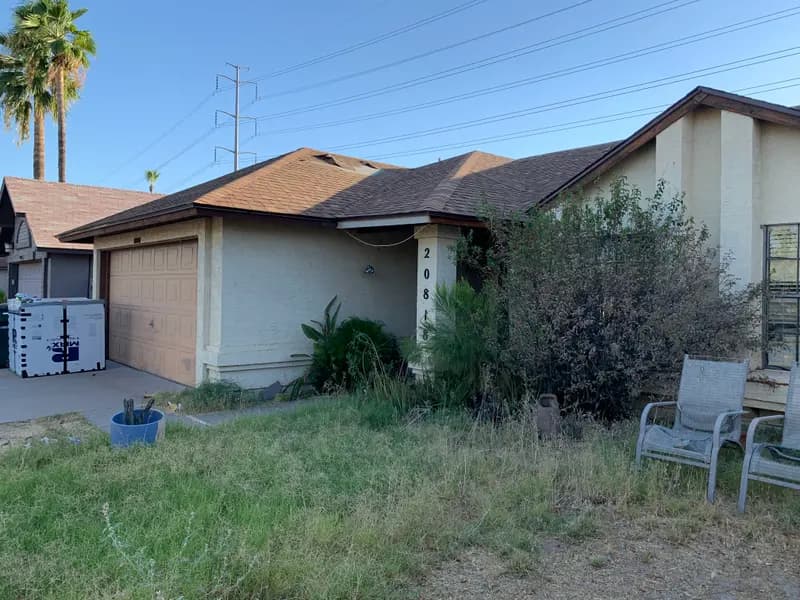 Before
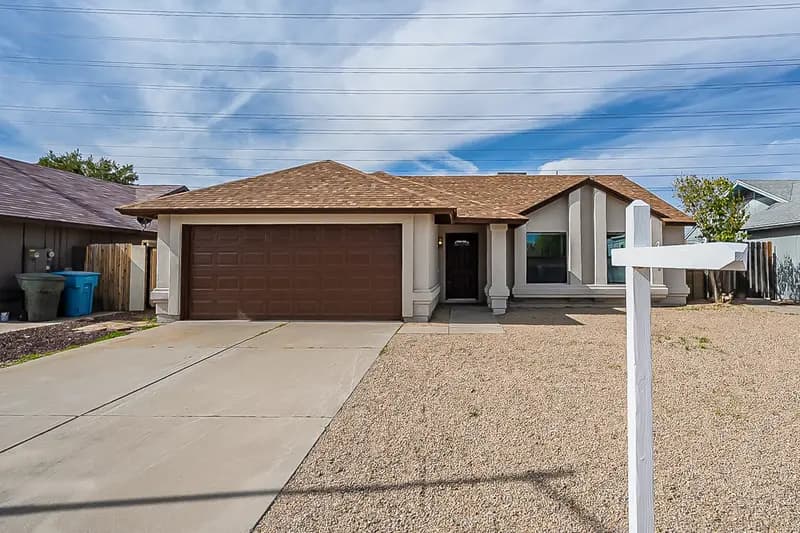 After
After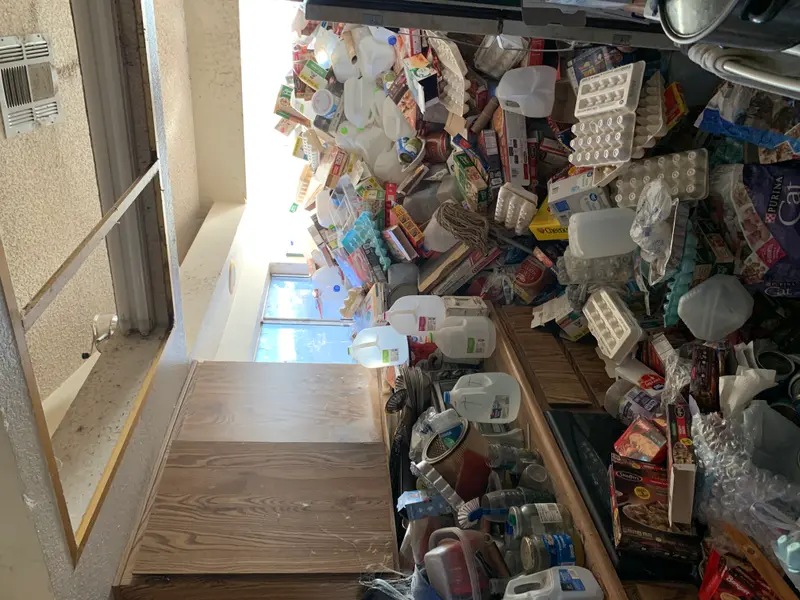 Kitchen Before
 Kitchen After
Cities We Serve
Related Services
Dealing With a Hoarder Situation? We Can Help.
We buy hoarder homes as-is across Arizona. No cleanup, no repairs, no eviction coordination required from you. Get a fair cash offer in 24 hours. Call us or fill out our form.