
Can You Sell a House As Is With Mold in Arizona?
 Jared Vidales·Updated March 5, 2026·9 min read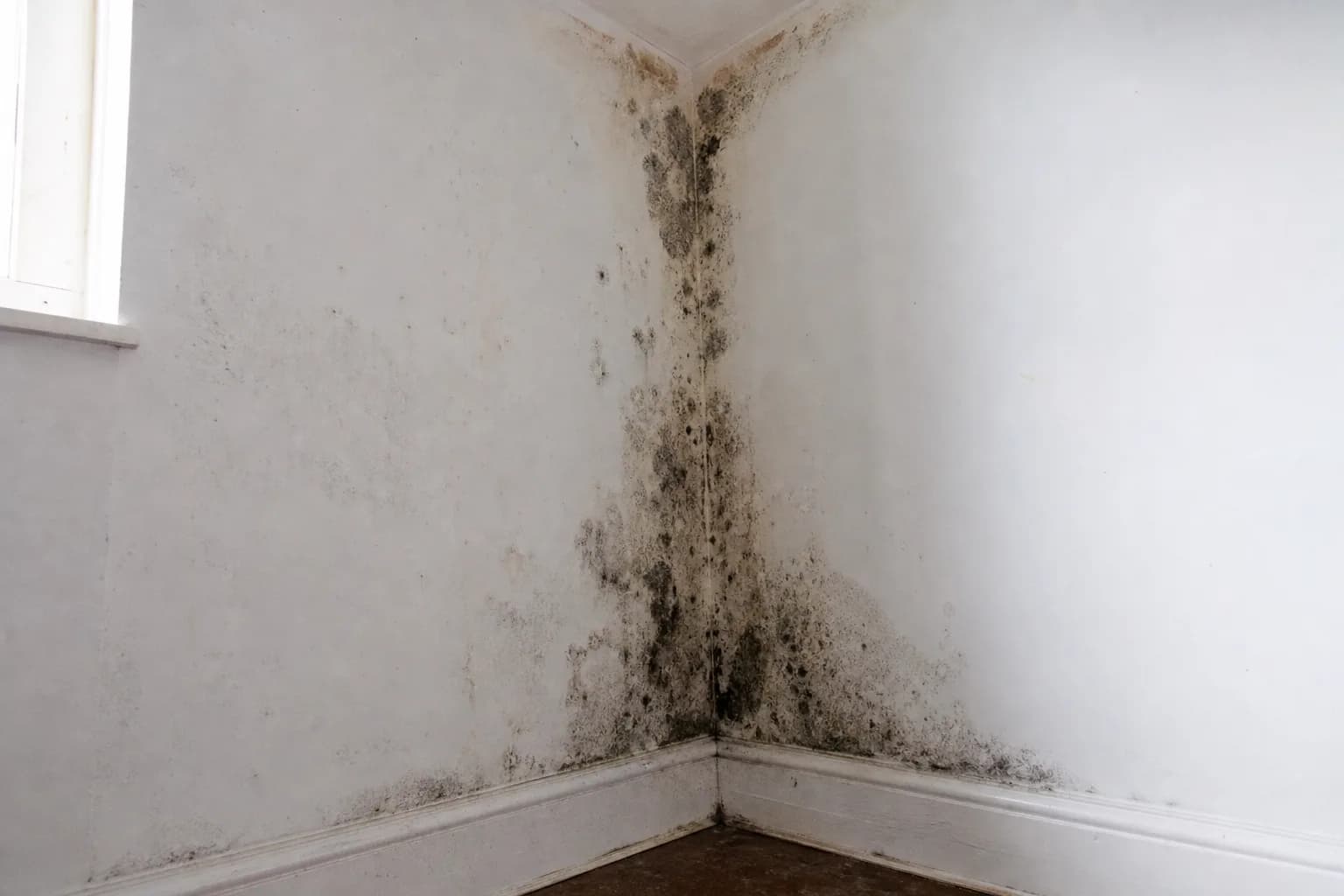
Table of contents
Yes, you can sell a home as-is with mold in Arizona. There's no state law that prevents you from selling a home with mold present. However, you are legally required to disclose known mold issues to potential buyers. Hiding mold — or failing to mention it — can lead to lawsuits, deal cancellations, and serious legal trouble.
How this guide fits: if the main problem is flood, slab leak, or monsoon damage, start on our sell a house with water damage page — that situation page owns the sale path. This article is the deeper nest for mold disclosure, remediation costs, and whether to fix vs. sell as-is. I've bought hundreds of Phoenix-metro homes with mold and water damage; here's what Arizona sellers need to know.
Arizona Mold Disclosure Requirements
Arizona doesn't have a specific mold statute, but the state's disclosure laws cover it. When you sell a home in Arizona, you're required to complete the Seller's Property Disclosure Statement (SPDS). This form asks about known material defects — and mold counts.
The SPDS includes questions about:
- Water damage — past or present leaks, flooding, or moisture intrusion
- Environmental hazards — mold, asbestos, lead paint, radon
- Roof and plumbing conditions — common sources of moisture that lead to mold
If you know about mold in your home, you must disclose it on the SPDS. "Known" is the key word. You're not required to hire a mold inspector before selling, but you can't ignore visible mold or pretend you don't know about a problem you've dealt with before. Arizona courts have held sellers liable for failing to disclose known defects, and mold falls squarely in that category.
What happens if you don't disclose? The buyer can sue you after closing for fraud or misrepresentation. They can also rescind the sale during the inspection period if mold is discovered. Either way, hiding it costs you more than disclosing it upfront.
Why Arizona Homes Get Mold (Despite the Dry Climate)
People assume mold isn't an Arizona problem because of the desert climate. That's wrong. Mold needs moisture, and Arizona homes have plenty of moisture sources:
Swamp Coolers (Evaporative Coolers)
Many older Phoenix-area homes use evaporative coolers instead of traditional AC. These units work by blowing air over water-soaked pads, adding humidity to the air. That moisture can accumulate in ducts, attics, and walls — creating ideal conditions for mold growth. Homes with swamp coolers in areas like south Phoenix, west Mesa, and parts of Glendale are especially prone.
Slab Leaks
Arizona homes are typically built on concrete slabs. When copper or polybutylene pipes running under or through the slab develop leaks, water seeps into the foundation and up through flooring. Slab leaks often go undetected for months, and by the time you notice warped flooring or a musty smell, mold has already taken hold underneath.
Monsoon Season Moisture
Arizona's monsoon season (June through September) brings sudden, heavy rainfall. Homes with poor drainage, cracked foundations, or aging roofs can take on water during these storms. Flat roofs — common in Arizona — are particularly vulnerable to pooling water. Even a small roof leak during monsoon season can introduce enough moisture for mold to grow in the attic or ceiling.
Bathroom and Kitchen Leaks
Slow leaks under sinks, around toilets, and behind showers are mold magnets in any climate. In Arizona, where homes often have tile floors over concrete, water from these leaks can get trapped and create hidden mold colonies behind walls and under cabinets.
Poor Ventilation
Some older Arizona homes lack adequate bathroom exhaust fans or have sealed-up attic spaces with minimal airflow. Without proper ventilation, moisture from daily activities (showering, cooking) builds up and feeds mold growth.
Types of Mold Common in Arizona Homes
Not all mold is the same, and the type affects both health risk and remediation cost:
- Cladosporium — One of the most common molds in Arizona. Appears olive-green to brown. Typically found on fabrics, wood, and HVAC systems. Generally considered less dangerous but can trigger allergies and asthma.
- Aspergillus — Common indoors, especially in dust and HVAC systems. Ranges from white to green to yellow. Can cause respiratory issues, particularly in people with weakened immune systems.
- Stachybotrys chartarum (black mold) — The one everyone worries about. Appears dark green to black, usually on water-damaged drywall, wood, or ceiling tiles. Requires sustained moisture. Associated with more serious health effects. Remediation is more expensive.
- Penicillium — Blue-green mold often found on water-damaged materials. Spreads quickly and produces a strong musty odor.
A mold inspector can identify the type and extent. Testing typically costs $300–$600 for a professional assessment with lab analysis.
How Mold Affects Your Home's Value
Mold reduces your home's market value — there's no way around it. The impact depends on the type, extent, and location:
- Minor surface mold (bathroom caulk, small patches on walls): Minimal impact if cleaned. Buyers may not even notice or care.
- Moderate mold (visible growth in multiple rooms, musty odor, HVAC contamination): Expect a 10–15% reduction in what buyers are willing to pay.
- Severe mold (black mold, structural damage, widespread contamination): Can reduce value by 20% or more. Many traditional buyers won't make an offer at all.
In the Phoenix market, a home worth $380,000 in good condition might sell for $320,000–$340,000 with moderate mold — and that's if you find a buyer willing to take it on. Many won't.
Mold Remediation Costs in Arizona
Remediation costs vary widely based on the scope of the problem:
| Mold Situation | Typical Cost |
|---|---|
| Small area (less than 10 sq ft) — bathroom, under sink | $500–$1,500 |
| Moderate area (10–100 sq ft) — one room, crawl space | $1,500–$5,000 |
| Large area (100+ sq ft) — multiple rooms, HVAC system | $5,000–$15,000 |
| Severe/structural (behind walls, in foundation, black mold) | $15,000–$30,000+ |
These costs include containment, removal, cleaning, and sometimes replacement of drywall, insulation, or flooring. If the mold source isn't fixed (the leak, the drainage issue, the swamp cooler), the mold will come back — and you'll pay again.
For many homeowners, the math doesn't work. Spending $15,000–$30,000 on remediation for a home that's already lost value is a tough pill to swallow, especially if you need to sell quickly.
The Financing Problem: Why Mold Kills Traditional Sales
Here's something many sellers don't realize: FHA and VA loans will not finance a home with visible mold. The lender's appraiser will flag it, and the loan won't be approved until the mold is remediated. Since roughly 30% of home purchases in Arizona use FHA or VA financing, that's a significant chunk of your buyer pool eliminated.
Conventional loans are more flexible, but many conventional lenders also require mold remediation before closing — especially if the appraiser notes it. Even if the lender doesn't require it, the buyer's inspector almost certainly will, and the buyer will either demand you fix it or walk away.
This is why homes with mold sit on the market. The pool of buyers who can (and will) purchase a home with active mold is small. The ones who remain are typically cash buyers and investors.
Your Options for Selling a Home With Mold
Option 1: Remediate and List Traditionally
Fix the mold, fix the source, and list your home on the MLS. This gets you the highest possible sale price, but it requires upfront investment ($1,500–$30,000+), time for remediation (1–4 weeks depending on severity), and then the standard listing timeline (30–60+ days). Total time from decision to closing: 2–4 months.
Best for: Homeowners with the budget for remediation, time to wait, and a home that's otherwise in good condition.
Option 2: Disclose and List at a Reduced Price
List your home as-is with full mold disclosure and price it below market to attract buyers willing to handle remediation themselves. You'll attract investors and handy buyers, but your pool is limited. Expect to sell for 10–20% below what a mold-free comparable would bring.
Best for: Homeowners who don't want to pay for remediation but have time to wait for the right buyer.
Option 3: Sell to a Cash Buyer
This is where companies like ours come in. At Highest Cash Offer, we buy homes with mold, water damage, foundation issues, and other problems that make traditional sales difficult. We don't require remediation before closing. We factor the mold into our offer, handle it after purchase, and close in as little as 7–14 days.
Best for: Homeowners who need to sell quickly, don't have the budget for remediation, or simply don't want to deal with the process.
Get a cash offer on your home — mold and all. We'll evaluate the situation and give you a fair number within 24 hours.
How to Sell a Moldy Home to a Cash Buyer
If you decide to go the cash buyer route, here's what the process looks like with us:
- Contact us. Call (602) 600-0103 or fill out the form on our website. Tell us about the home and the mold situation — be upfront. We've seen it all.
- We evaluate. We'll review the home's value, the extent of the mold, estimated remediation costs, and comparable sales. We may do a walkthrough or use photos you provide.
- We make an offer. Our offer accounts for the mold and any other repairs needed. You'll know exactly what you're getting.
- You decide. Accept, counter, or decline. There's no pressure and no deadline.
- We close. If you accept, we work with a local Arizona title company. Most closings happen in 7–14 days. You get your proceeds and move on.
Selling a home with mold in Arizona is absolutely possible — you just need to approach it the right way. Disclose everything, understand your options, and choose the path that fits your timeline and budget. If remediation makes financial sense and you have the time, fix it and list. If you'd rather skip the cost and complexity, a cash sale gets you out quickly.
Ready to sell your Arizona home with mold? Get a cash offer from Highest Cash Offer today. Call (602) 600-0103 or submit your address online — we'll respond within 24 hours with a fair offer, no matter the condition.
Frequently Asked Questions
Do I have to disclose mold when selling my home in Arizona?
Yes. Arizona's Seller's Property Disclosure Statement (SPDS) requires you to disclose known material defects, and mold qualifies. If you know about mold — whether you've seen it, had it tested, or had previous remediation — you must disclose it. Failure to disclose can result in lawsuits from the buyer after closing.
Can a buyer back out of a sale because of mold?
Yes. During the inspection period (typically 10 days in Arizona), the buyer can cancel for any reason, including mold discovered during inspection. Even after the inspection period, if the buyer's lender won't finance a home with mold, the deal can fall through. This is one reason cash sales are more reliable for homes with mold — there's no lender to block the transaction.
How much does mold reduce a home's value?
It depends on the type and extent. Minor surface mold may have little impact. Moderate mold in multiple areas typically reduces value by 10–15%. Severe mold — especially black mold or mold that has damaged structural components — can reduce value by 20% or more. In the Phoenix market, that can mean $40,000–$80,000 on a median-priced home.
Should I get a mold inspection before selling?
It's not required, but it can help. A professional mold inspection ($300–$600) tells you exactly what you're dealing with — type, extent, and source. This lets you make informed decisions about remediation vs. selling as-is. It also shows buyers you're being transparent, which builds trust. If you're selling to a cash buyer, we'll assess the mold ourselves as part of our evaluation.
Is black mold common in Arizona?
Black mold (Stachybotrys chartarum) requires sustained moisture, so it's less common in Arizona than in humid states like Florida or Texas. But it does occur — particularly in homes with chronic leaks, slab issues, or poor ventilation. Homes near irrigation canals, in flood-prone areas, or with swamp coolers are at higher risk. If you suspect black mold, get it tested before making any decisions.

Jared Vidales
Founder, Highest Cash Offer
Jared Vidales founded Highest Cash Offer in 2015. Since then the team has purchased 1,500+ homes in any condition across Maricopa County, Arizona — helping owners sell fast, as-is, with no fees or commissions.
Last updated March 5, 2026.